BLOG
Navigating Heritage: A Guide to Renovating Period Properties
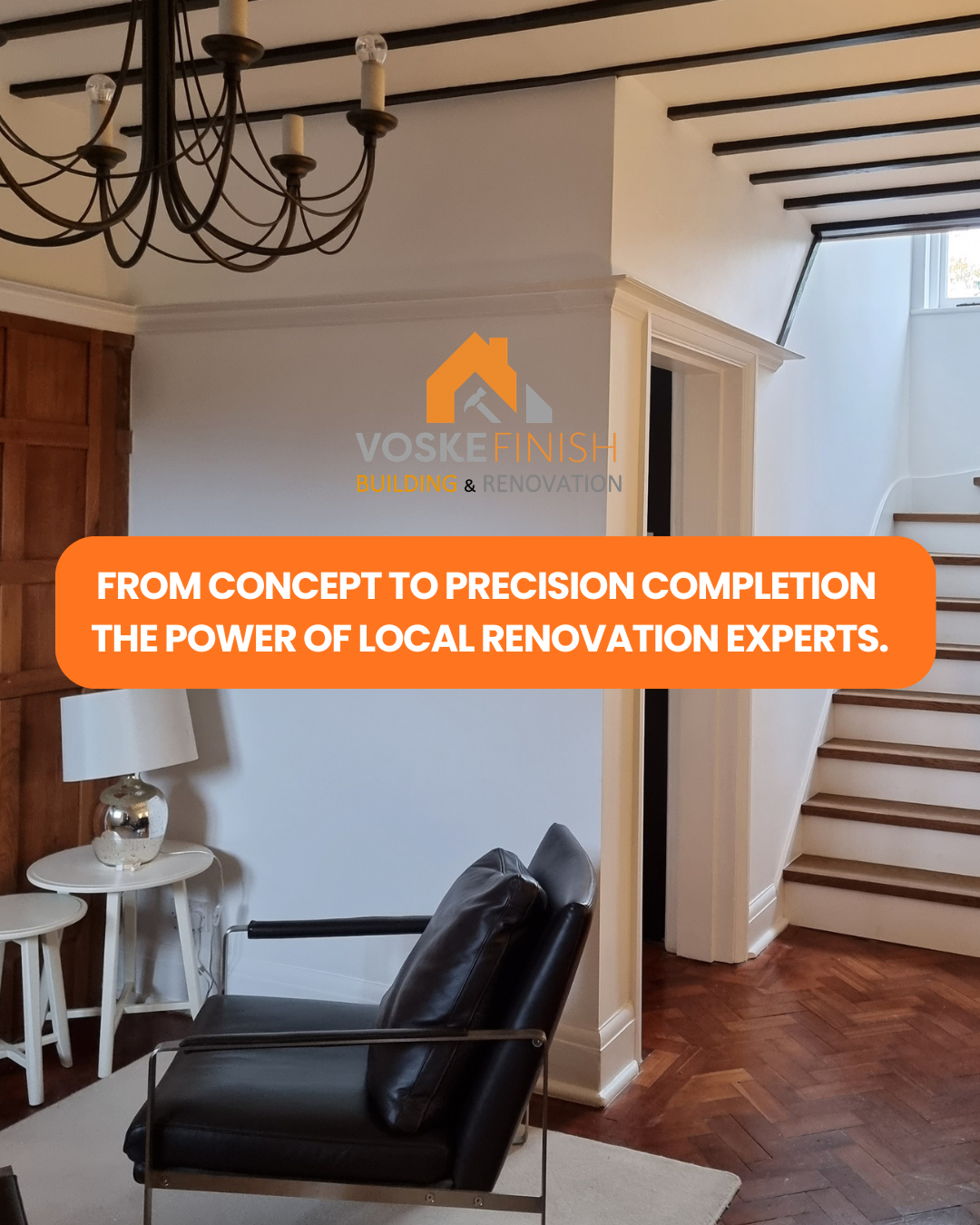
There is an undeniable charm to London’s period architecture. From the ornate plasterwork of Victorian terraces to the grand, airy proportions of Edwardian villas, these homes possess a unique character and craftsmanship that modern builds rarely replicate.
However, breathing new life into a historic home requires a delicate balance. The goal of any successful heritage renovation is to preserve architectural integrity while seamlessly integrating the modern comforts, layouts, and energy efficiency required for contemporary family living.
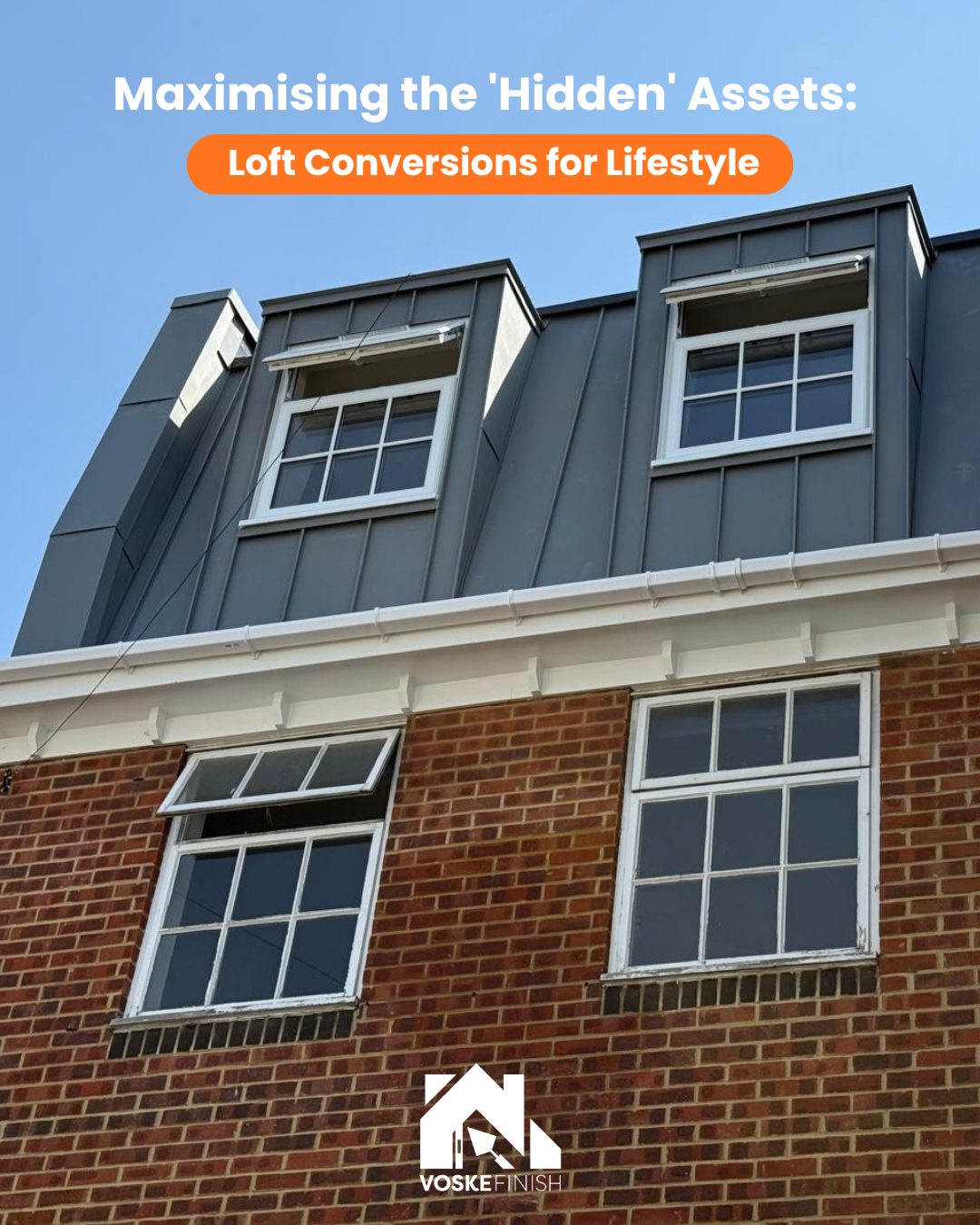
Whether you are planning a comprehensive restoration, a sensitive rear extension, or a loft conversion, navigating a period renovation requires a specialized, detail-oriented approach. Here is what you need to consider before beginning your heritage journey.
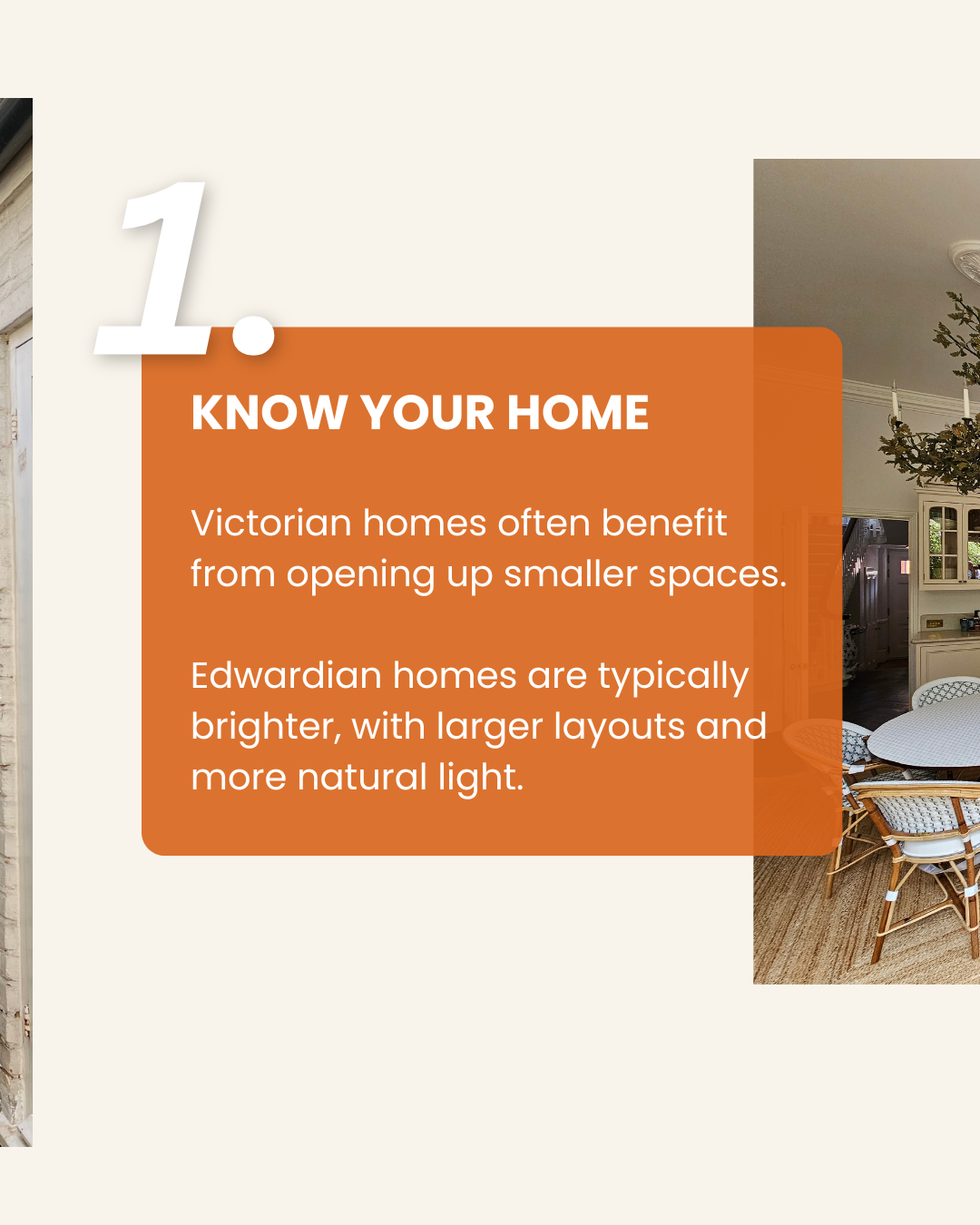
1. Understanding Your Property's Era
Before altering a single brick, it is essential to understand the architectural rules of the era your home belongs to.
- Victorian Properties (1837–1901): Often characterised by narrower footprints, exposed brickwork, high ceilings, intricate cornicing, and sash windows. They were built to be heated room-by-room, meaning layout changes usually involve opening up small, dark spaces to let in natural light.
- Edwardian Properties (1901–1914): These homes generally feature wider, shallower footprints with larger hallways and a greater abundance of windows, reflecting a historical shift toward celebrating light and air.
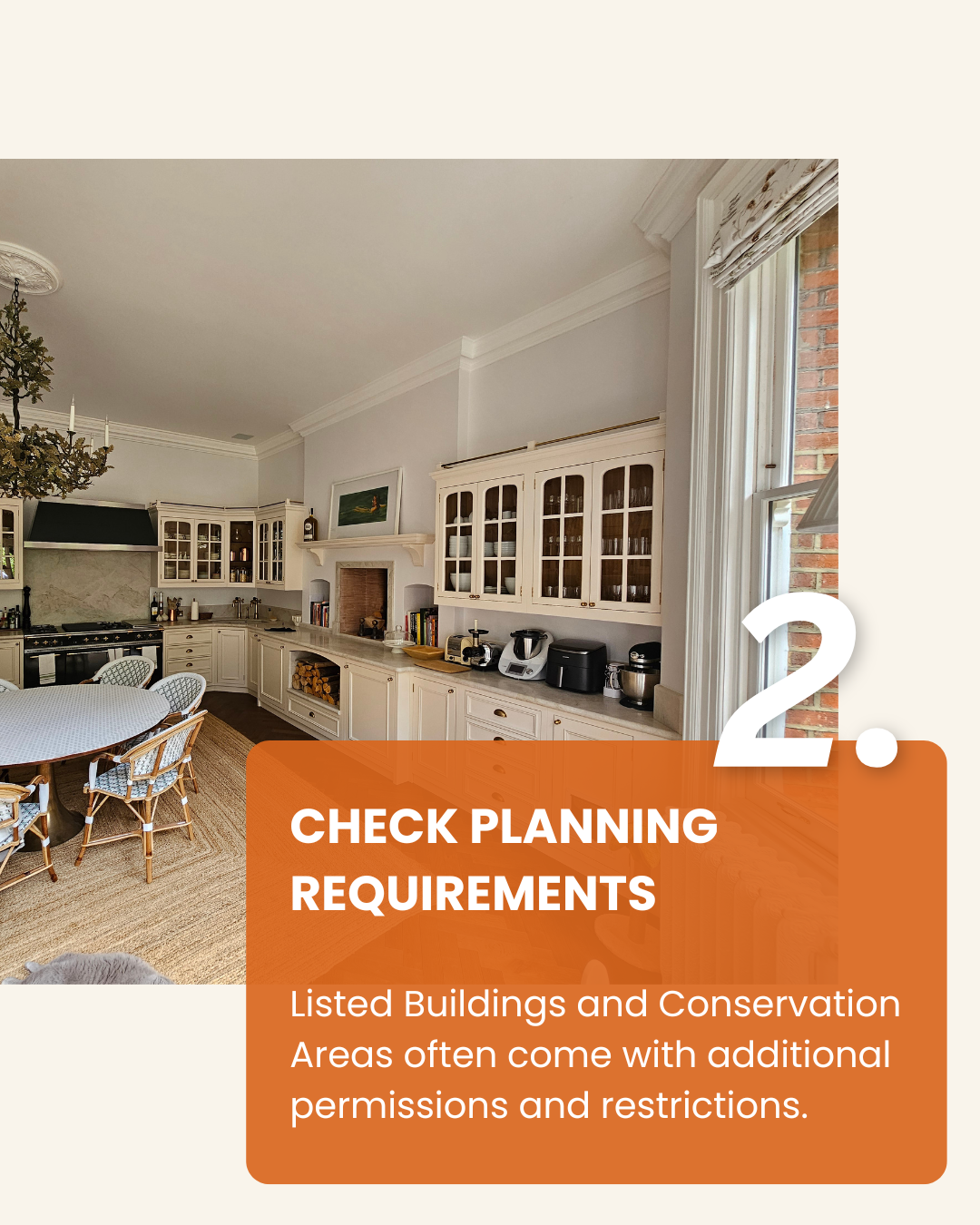
2. Navigating Permissions and Regulations
The very first step of a heritage build involves identifying legal constraints.
- Listed Buildings: If your property is Grade II listed, you will require Listed Building Consent for almost any internal or external alterations.
- Conservation Areas: Many of London’s most desirable neighborhoods fall under strict Conservation Areas. While you may still have Permitted Development rights for certain extensions, external changes—such as replacing windows, altering roofing materials, or changing front brickwork—often require stringent planning permission to protect the local character.
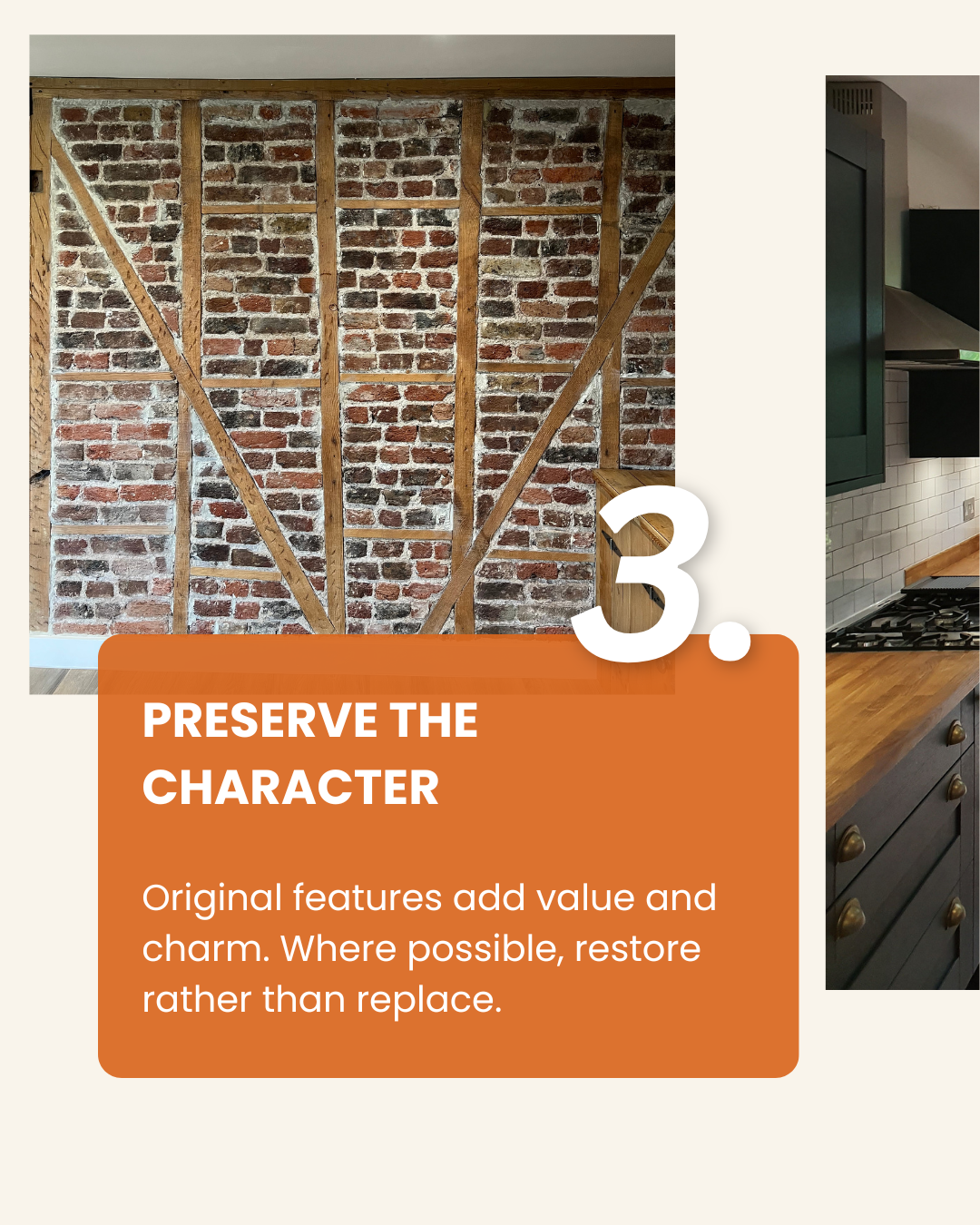
3. Preserving Character vs. Modern Living
A high-end renovation shouldn't strip away a house's soul; it should highlight it. A successful approach blends structural modifications with heritage preservation.
- The Power of Contrast: When creating large rear extensions or side-returns, a glass-box structural design can create a stunning architectural juxtaposition against traditional brickwork.
- Restoration Over Replacement: Where original elements remain—such as ceiling roses, cast-iron fireplaces, or original floor tiling—they should be carefully restored. If elements are damaged beyond repair, sourcing bespoke, period-accurate timber joinery and plaster moldings ensures the historical narrative remains intact.
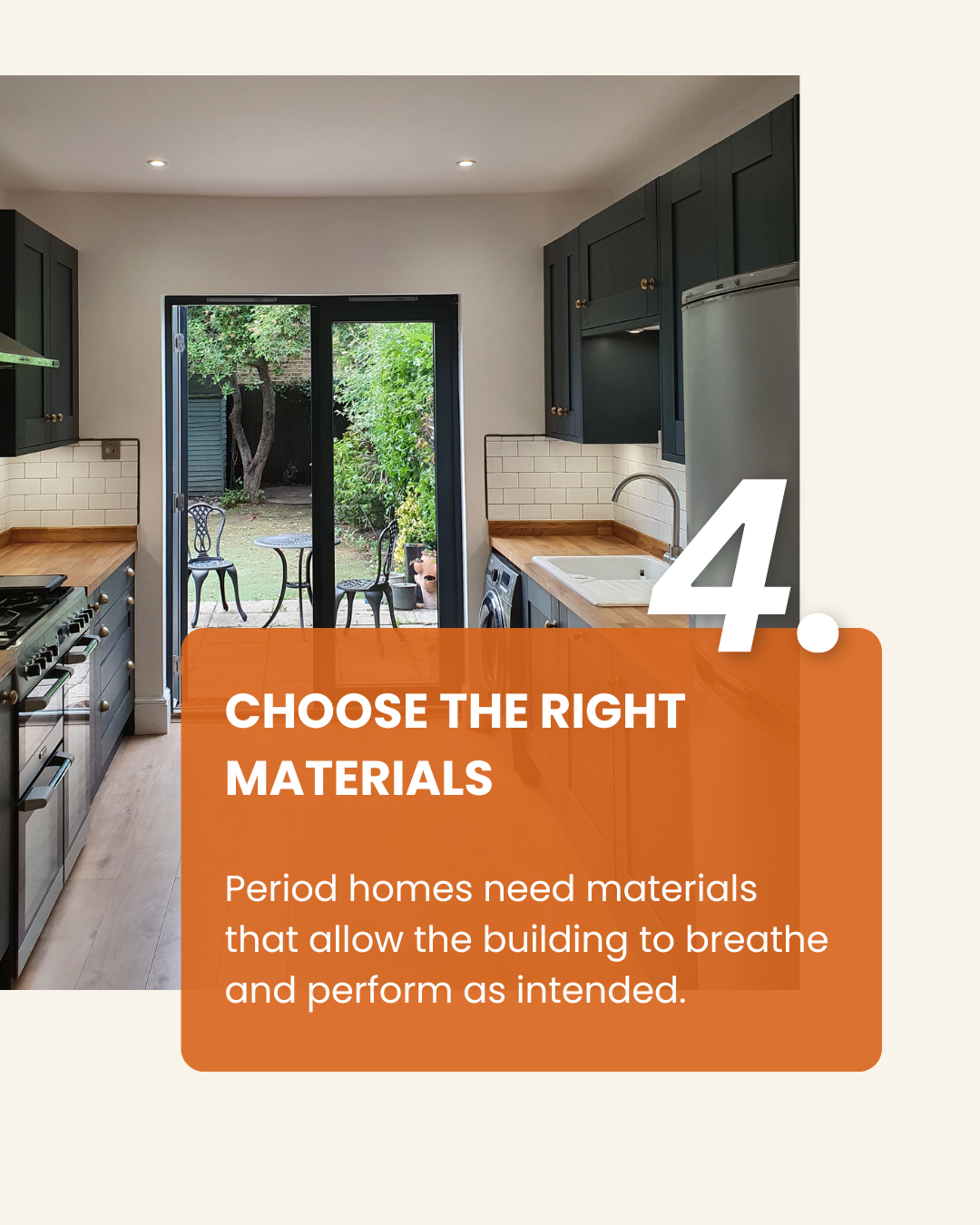
4. Resolving the Breathability Challenge
One of the most common mistakes in period renovations is treating an old house like a new build. Historic properties were built using porous materials (lime mortar, solid brick walls, timber) designed to "breathe" and absorb moisture naturally.
- Using modern, impermeable materials like cement-based renders or standard chemical insulation can trap moisture, leading to damp and structural rot.
- When upgrading insulation, damp-proofing, or rendering, always ensure your main contractor uses traditional, vapor-permeable materials specifically suited to historic brickwork.
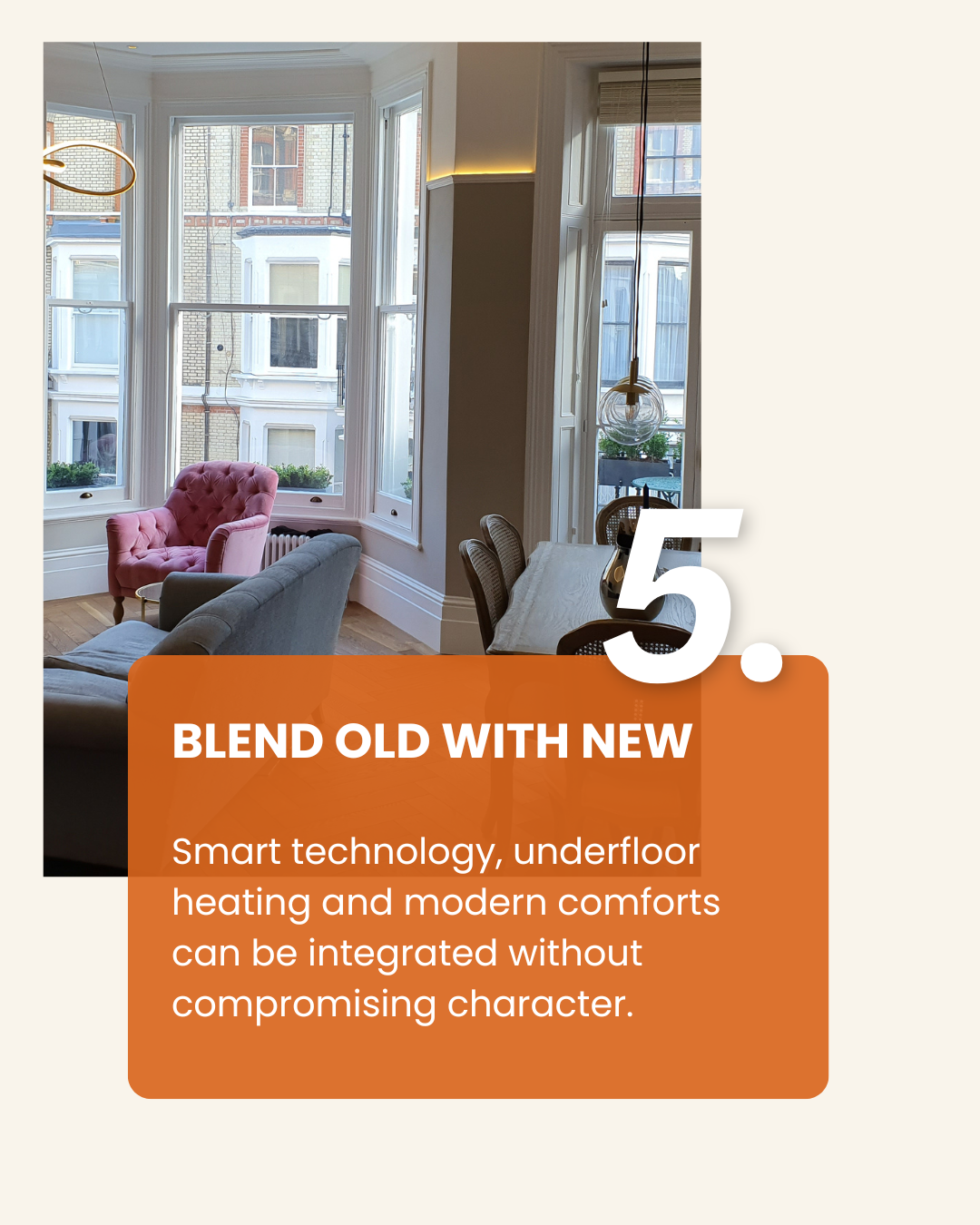
5. Sensitive Modernization: Hidden Luxury
Integrating smart home technology, underfloor heating, and modern plumbing into a period home requires meticulous architectural planning to avoid disrupting historic features.
- Running new pipework and wiring shouldn't involve hacking through original joists or plasterwork.
- Installing slimline double glazing or custom-built, vacuum-insulated sash windows allows you to drastically improve thermal efficiency without falling foul of conservation guidelines or altering the elegant facade of the street view.
Partnering with the Right Expertise
Renovating a period property is a journey of discovery. It requires a principal contractor who understands historic structural engineering, traditional craftsmanship, and local planning nuances.
At VoskeFinish, we specialize in managing high-end residential transformations that protect the architectural heritage of your home while elevating it for modern living.
Planning a restoration or extension for your period property?
Contact our team today to discuss how we can bring your vision to life.
- Email: info@voskefinish.uk
- Office: 0207 139 5131
- Web: www.voskefinish.uk